Guides · 12 min read
YouTube hooks: 12 openers from outlier videos
The best YouTube hooks say the viewer's problem or the payoff in the first sentence, and confirm what the title promised. Below are 12 real openers from outlier videos by dentists, lawyers, financial planners, consultants and agencies, quoted word for word and grouped into eight patterns, with what each one does.
Most lists of hooks are written for Shorts, gaming and vlogs, with fill-in-the-blank templates instead of real openers. These are business videos that got far more views than their channel normally gets. I found each one with PreFilm's outlier search, then pulled its actual opening lines with a video breakdown, so every quote below is what the creator really said. Nothing has been rewritten to sound better.
What is a YouTube hook?
A YouTube hook is the first one to three sentences of a video, written to make the right viewer stay. It can be plain, as long as it tells the person who clicked that they're in the right place.
YouTube measures this directly. The key moments for audience retention report in YouTube Studio has a measure called Intro, which shows what percentage of your audience was still watching after the first 30 seconds. YouTube's own Help page says a high Intro figure can mean the first 30 seconds matched what viewers expected from the thumbnail and title. So a hook is really the moment the video keeps the promise its packaging made.
Every example below is an outlier. An outlier is a video that got far more views than its channel normally gets. Divide its views by the channel's normal and you get its multiple, so 10× means ten times what that channel's videos usually get. Views and multiples are as PreFilm read them in November 2026.
| Pattern | Channel | Business | Multiple | Views |
|---|---|---|---|---|
| The cost question | Nuvia Dental Implant Center | Dental implants | 4.1× | 10,518 |
| The cost question | The BW Report | Lottery news, lawyer interview | 7.9× | 642,904 |
| The mistake | Retirement Transformed | Retirement advice | 9.3× | 175,692 |
| The mistake | Retirement Matters with Dave Grant, CFP | Financial planning | 9.9× | 1,293 |
| The myth | Early Retirement Roadmap | Retirement membership | 5.8× | 89,986 |
| The promise with a number | Nick Davis, CFP | Financial planning | 34.4× | 1,682,049 |
| The promise with a number | Paolo Trivellato | LinkedIn agency | 39.3× | 31,589 |
| The before-and-after story | Ari Eng | Outbound agency | 34.0× | 11,601 |
| The call-out | Laura Meyer | Consulting coach | 13.2× | 5,681 |
| The one-video claim | Joseph Feor | Agency owner | 30.3× | 15,585 |
| The plain announcement | Heirloom Wealth Management | Wealth management | 2.3× | 12,303 |
| The plain announcement | Toby Mathis Esq | Estate and tax law | 5.1× | 138,399 |
The quotes come from each video's captions, as PreFilm returned them, and I've kept each one to about 15 words.
YouTube hook ideas, pattern 1: the cost question
The cost question opens on the price question your buyers already type into Google. It works for any service where people can't find a straight answer before they call you.
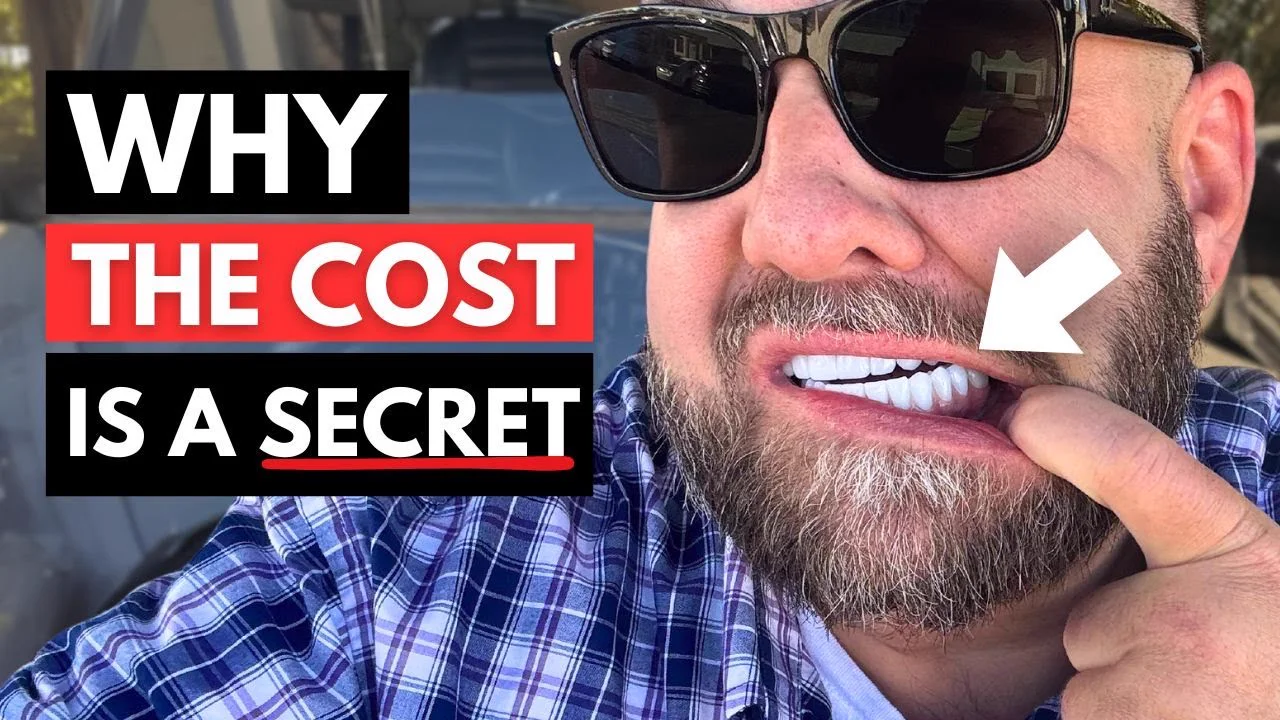
1. Nuvia Dental Implant Center, "I Found Out Why No One Shares Dental Implant Prices!". The hook says the problem, then asks the question out loud: "ever wonder why it's so hard to find out the cost of dental implants". Nuvia then brings in Shawn, a patient who paid for implants, and works through three things that change the price: the doctor's experience, the state of your mouth and your location.
There's a lesson in the comments too. PreFilm found three viewers asking what Shawn actually paid ("Why couldn't he say what he paid?"). A cost hook makes a promise, and if the video never gives a number, the people who stayed notice.
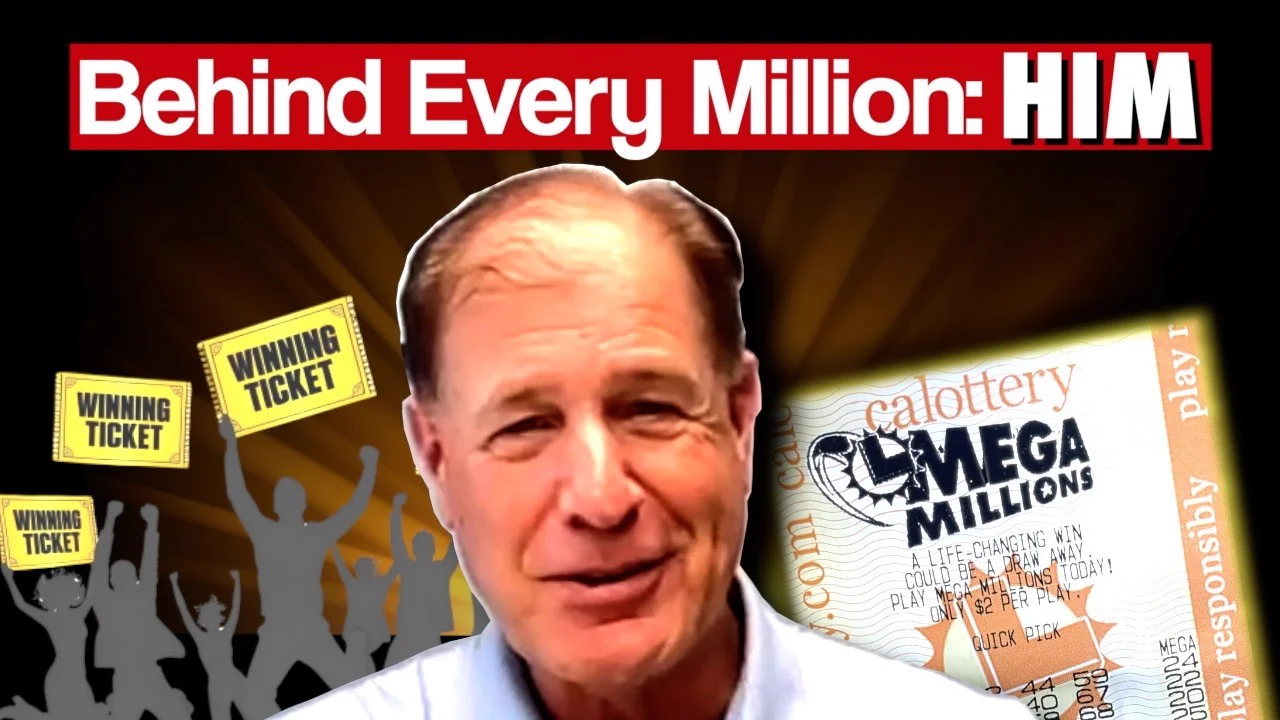
2. The BW Report, "What It Costs to Hire the Nation's #1 Lottery Lawyer". After a one-line greeting, the host says: "Let's get right to the answer to the question many of you have been asking". The BW Report is a follow-up to an earlier interview, and the opener tells viewers it exists because they asked. The answer then comes fast: the lawyer explains his fixed fee for smaller wins within the first two minutes.
Find the videos your buyers already watch
Find my winning videosPattern 2: the mistake
The mistake hook names the costly thing your viewer is about to do. It suits any business that cleans up after people who got it wrong first, which is most service businesses.
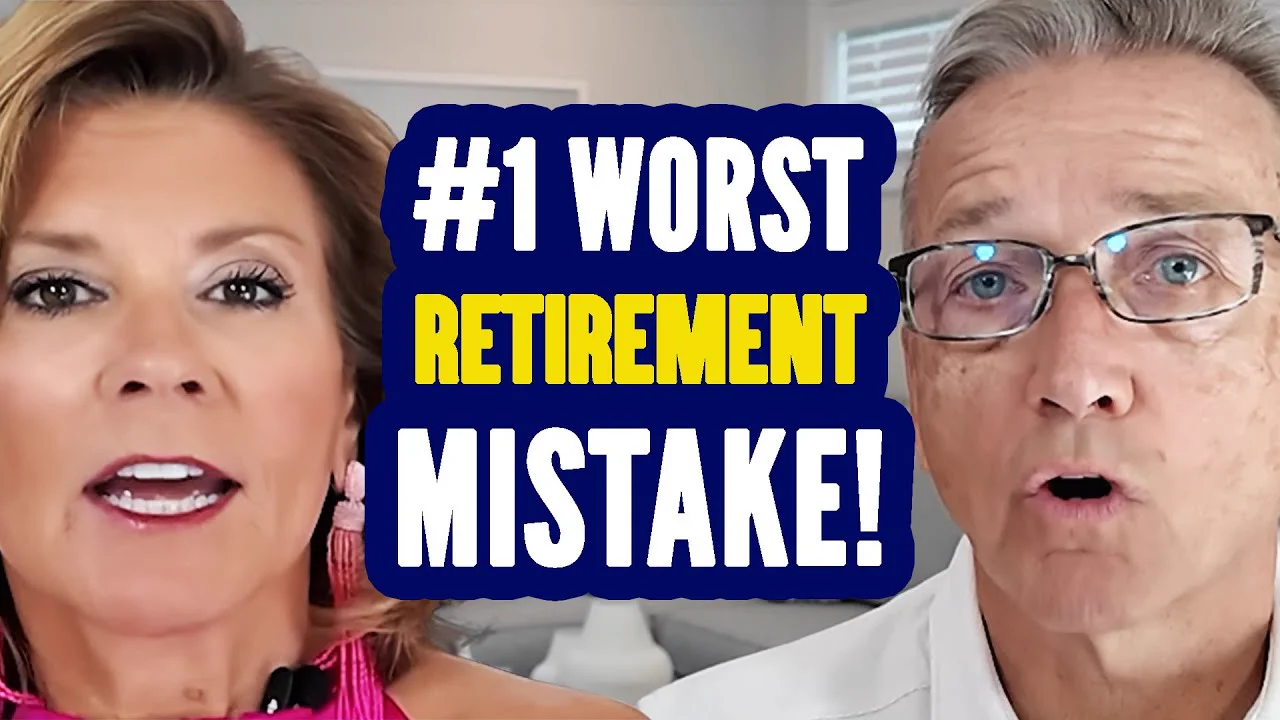
3. Retirement Transformed, "13 Retirement Mistakes That will Ruin You (Biggest Regrets)". The opener: "the most dangerous thing you can do in retirement is assume everything's going to fall into place". It names one mistake that sits behind all 13, and then the couple mention their own retirement crisis in 2018, so the warning comes from people who lived it. Two commenters still asked for shorter videos, one of them saying there was "way too much intro". A good opener can't carry two slow minutes after it.
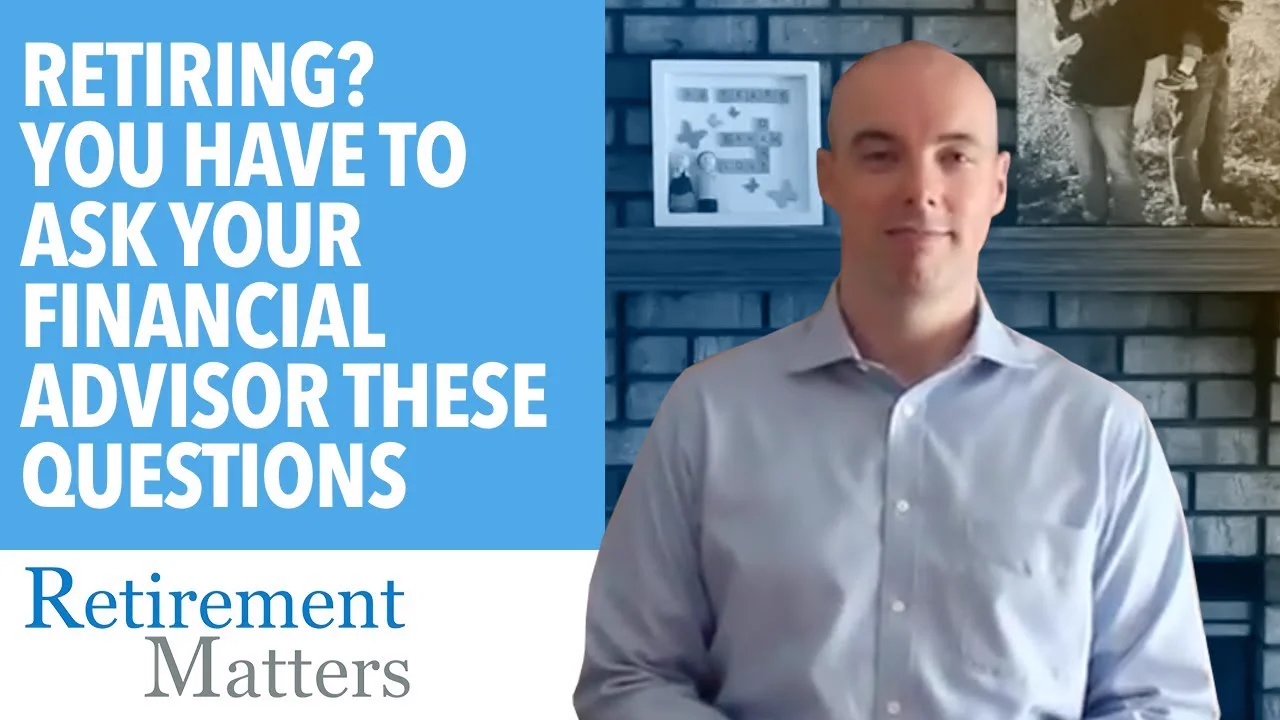
4. Retirement Matters with Dave Grant, CFP, "Retiring? You HAVE to ask your financial advisor these questions". This one opens on the stakes of not planning: "without one you leave too much to chance at a critical time in your life". It's a five-minute video from 2017 on a channel whose videos normally get 131 views. On a small channel, the opener only has to let the right buyer hear their worry in the first sentence.
Pattern 3: the myth
The myth hook corrects something your viewer believes. It works best when the belief is one you hear from clients every week.
5. Early Retirement Roadmap, "I Retired at 55: 7 Early Retirement Mistakes I Missed". The opener goes straight at the belief that retiring is the finish line: "The hard part does not necessarily end once you quit." Then he says the planning only changes shape, and that what follows comes from one year into his own retirement. The myth is short, and the proof is that he's living the other side of it.
Pattern 4: the promise with a number
This pattern restates the title's promise, with its number, in the first sentence. It's the simplest hook in the list, and the two biggest multiples here use it.
6. Nick Davis, CFP, "Once You Retire, Upgrade These 10 Things Before Telling Anyone". The hook: "10 things that you should upgrade the moment you retire before you tell a single person". That's the title, said out loud. The viewer who clicked hears in one sentence that the video is exactly what they clicked on. Nick Davis then mentions his firm's free training just before the ten-minute mark, after the first six upgrades.
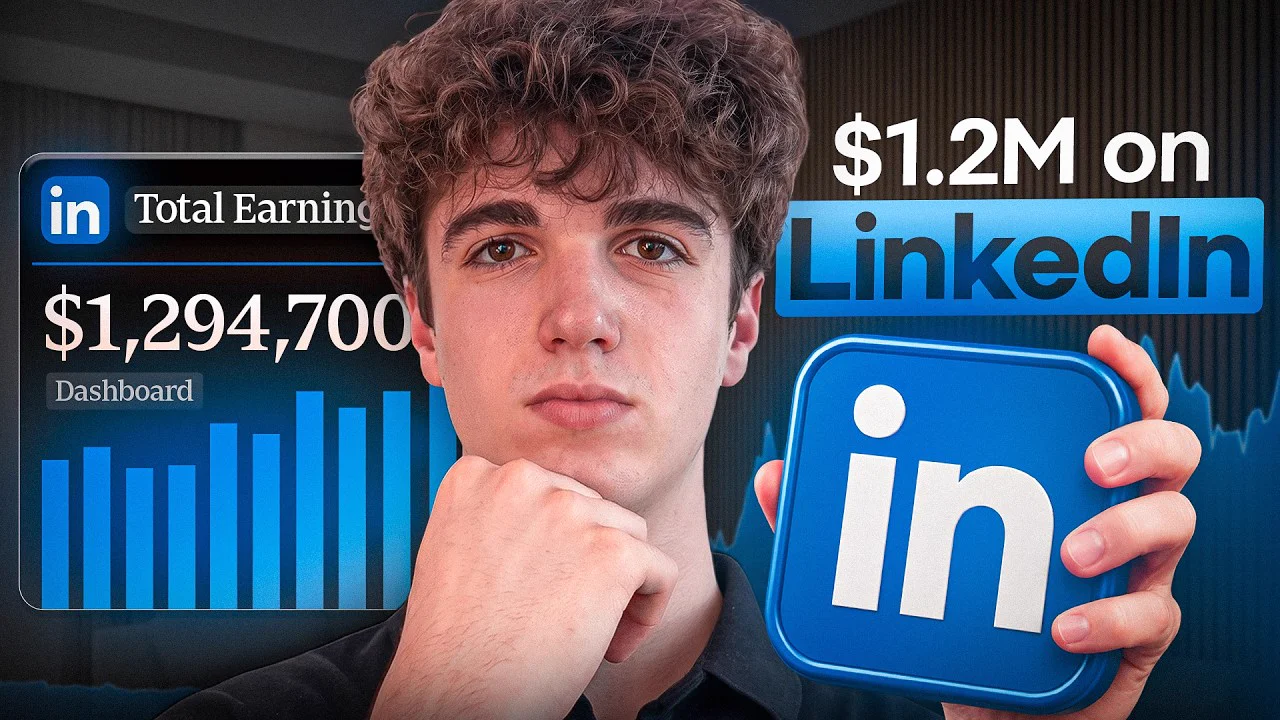
7. Paolo Trivellato, "I grew my agency to $1.2M ARR using only LinkedIn.. (copy me)". He promises to show "exactly how we went from zero to over 1.2 million dollars in annual recurring revenue", using "pretty much nothing but LinkedIn". The number is the proof and the promise in one line. At 1:29 he backs it up with more numbers: 31K followers, no ads and no cold outreach. He mentions a free LinkedIn review at 10:03 and asks for a call booking at 18:38, in the last 30 seconds.
Pattern 5: the before-and-after story
The story cold open starts at the "before", with a date and a number, and lets the viewer wait for the "after". It's how you open a case study without saying "case study".
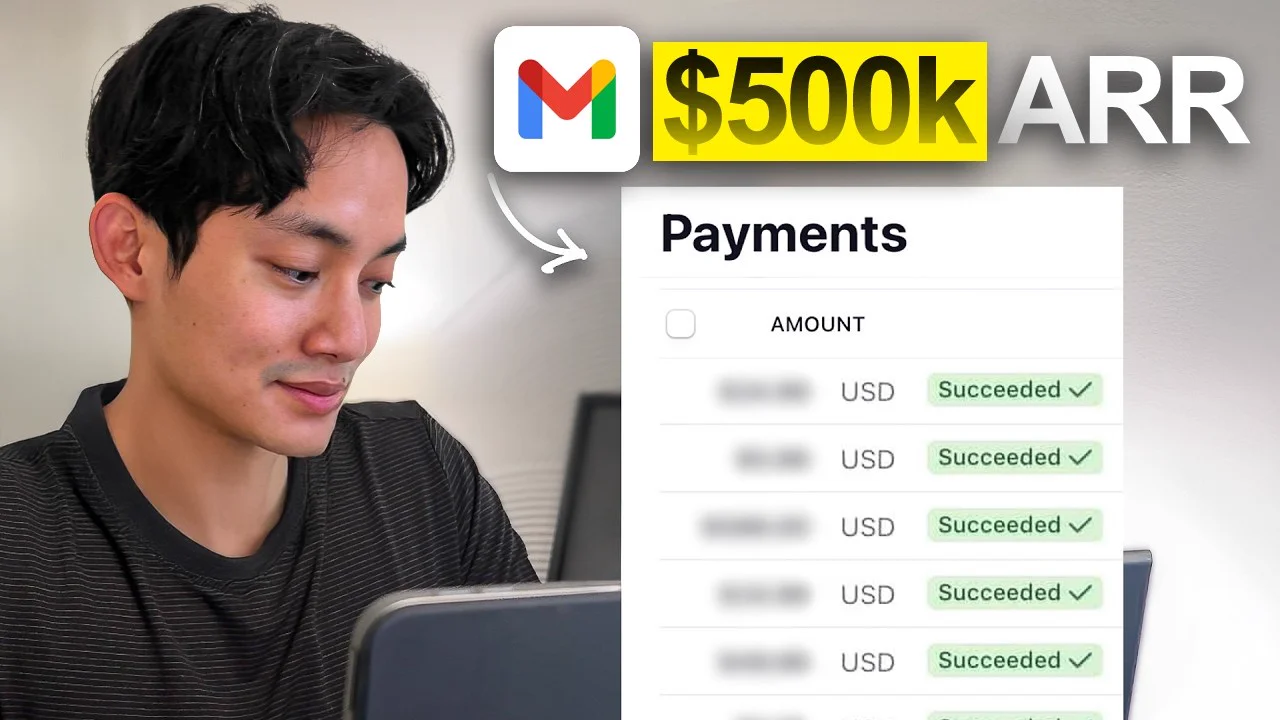
8. Ari Eng, "I Grew My Agency to $500k ARR in 6 Months Using ONLY Cold Email... Here's How". The hook: "6 months ago, our newly formed outbound agency was doing less than $5,000 per month". The next sentence jumps to December and over $40,000 in monthly recurring revenue. Ari Eng then proves it later in the video by showing the revenue month by month in QuickBooks. A before-and-after hook is a promise of proof, and he pays it off on screen.
Pattern 6: the call-out
The call-out names a feeling your buyer has and tells them they're not the only one. It's the softest opener here, and it suits coaches and consultants whose buyers are a little embarrassed by the problem.
9. Laura Meyer, "How to Sell Consulting (Without Feeling Salesy)". The opener: "if you've ever felt just a little bit weird or even tongue-tied" selling your consulting services, "you are not alone". It describes the viewer before it describes the method. Laura Meyer then introduces herself and moves to positioning at 1:17. One commenter still asked her to "get to the point", so even a warm call-out needs the method to arrive quickly.
Pattern 7: the one-video claim
The one-video claim tells the viewer this is the most valuable thing on the channel. It only works if the video backs it up with something they can't get elsewhere.
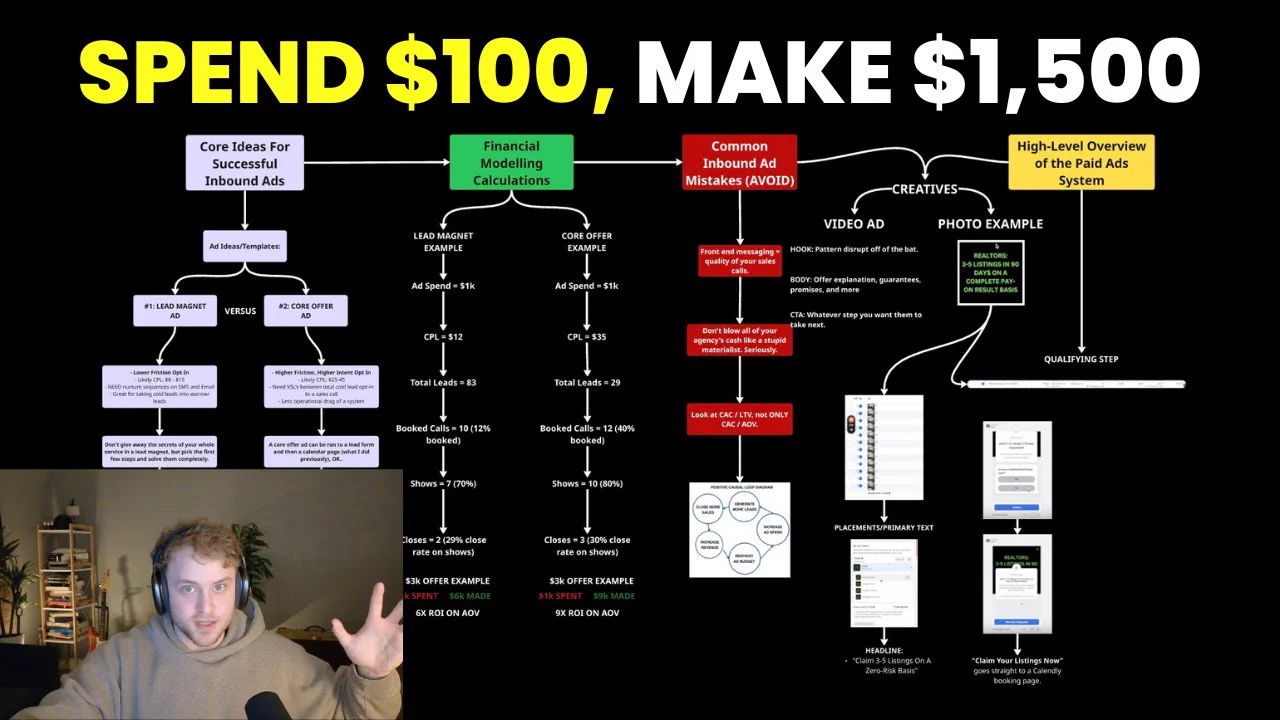
10. Joseph Feor, "How I scaled my agency to $40k/mo+ only using paid ads (exact system)". The hook: "If there's one video I can make for you… this is the video." A claim that big needs proof straight after, and he gives it: he walks through his real ad, then models the numbers for two kinds of ad. The one thing he offers is a free board of the whole system, mentioned at 1:12, and the video sells nothing.
See which openers are winning in your niche
Show me my niche's outliersPattern 8: the plain announcement
The plain announcement just says what the video is about. Two outliers in this list open this way, which tells you something: when the title and thumbnail have done the work, a plain opener that confirms them can be enough.
11. Heirloom Wealth Management, "5 Questions You Must Ask Before Hiring a Financial Advisor!". After a greeting, the hosts say they're covering the "top five questions to ask when you interview a financial advisor". This is the "before you hire" video every service business can make, and the opener names the moment the buyer is in. It's the smallest multiple here, though, and Heirloom go straight into question five on fees within 35 seconds.
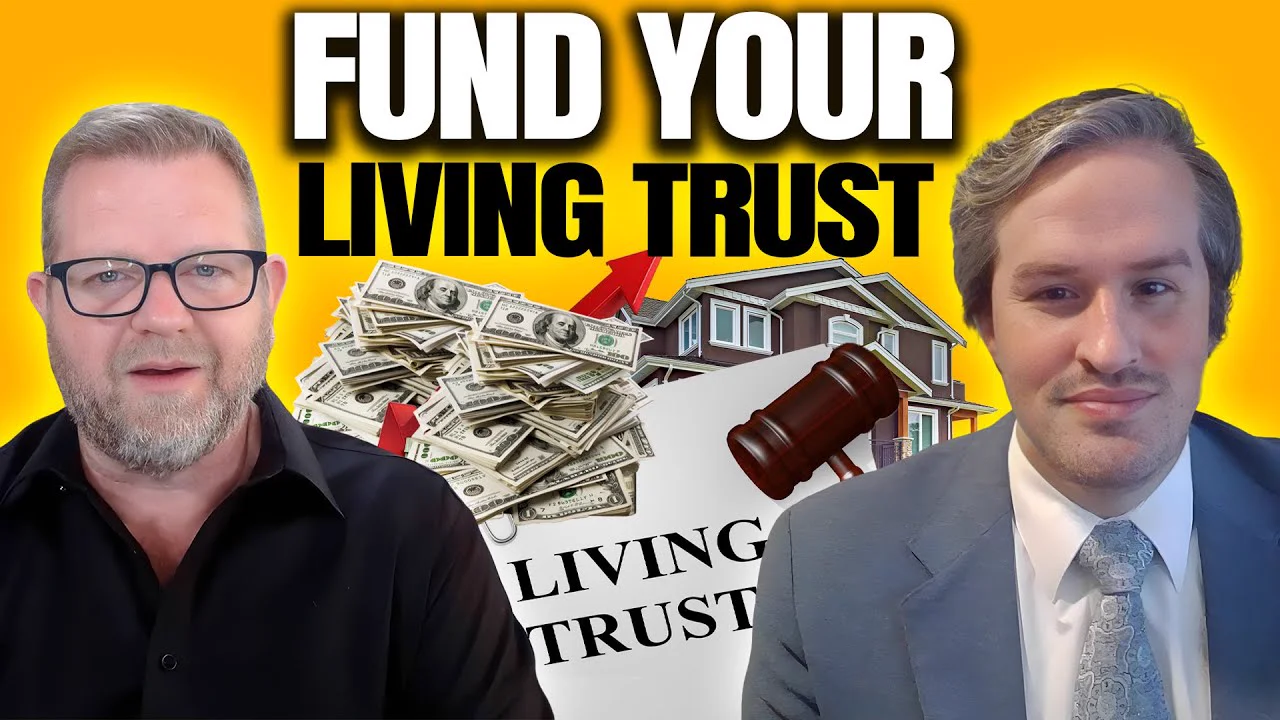
12. Toby Mathis Esq, "How to Fund Your Living Trust: 9 Myths Debunked". The opener is as plain as it gets: "Hey guys, Toby Mathis here. And today we're going to be talking about funding of trust." It's a 38-minute video that got five times the channel's normal anyway. The topic and the nine myths in the title did the hooking, and the first myth starts at 1:36.
What the 12 YouTube hooks have in common
Put side by side, these YouTube hooks share four things.
- They match the title. Every opener confirms the promise in the title, and several repeat it almost word for word.
- They get to the viewer's problem in the first sentence or two. Nine of the 12 hooks go straight to the problem or the result. The three that open with a greeting (The BW Report, Heirloom and Toby Mathis) reach the topic in the same sentence or the next.
- The proof follows. Nuvia brings in its patient in the opening section, Paolo Trivellato's numbers arrive at 1:29, and Ari Eng shows his revenue on screen.
- The pitch comes later. Most of these videos sell a service, and none of them asks for anything in the first line. The asks that do come early are free: a checklist from Retirement Transformed at 2:37 and Joseph Feor's board at 1:12.
Most of these are plain, too. There's no shock statistic and no "you won't believe". A dentist asks the price question, a planner names a mistake, an agency owner says what he made. If you sell a service, your hook is probably a question a buyer asked you last week.
How to write a hook for YouTube
To write a hook for YouTube, start from the title's promise, pick one pattern, write one to three sentences word for word, then follow straight away with the promise and your proof. Here's the order I'd do it in.
- Write the title first. The hook's job is to confirm it, so you can't write one without the other. Roast, PreFilm's title and thumbnail checker, judges a title against what's working in your niche before you write the script.
- Pick the pattern from your sales calls. The question buyers ask about price is a cost-question hook. The mistake you fix for new clients is a mistake hook. A client result with a number is a promise or a before-and-after.
- Write it word for word, in one to three sentences. The hooks above run from about 15 to 40 words. Say it out loud. If you'd never say it to a client across a table, rewrite it.
- Follow with the promise and the proof. I built PreFilm's scripts around five parts: the hook, the promise, the proof, the path to the sale and the close. The hook earns the next sentence, the promise says what they'll walk away with, and the proof says why you. All three should land inside the first 30 seconds. There's a full template in how to write a YouTube script.
- Keep the pitch for later. The path to the sale works best once the viewer has seen the problem it solves. Nick Davis waits until after six of his ten upgrades.
- Cut anything that sounds written. Stock openers like "in today's video" give you away in the first second. There's more on that in how to make AI text sound human.
If you'd rather start from a draft, PreFilm's script writer writes the hook, promise and the rest of the script in your own voice, learned from up to 20 of your past videos, and leaves a slot like [YOUR NUMBER] for any fact it doesn't know.
How to find hooks that already work in your niche
Find the outliers in your niche first, then read how they open. A hook that worked for a planner in your market tells you more than one from a gaming channel with ten million subscribers.
You can do this by hand. Sort a competitor's Videos tab by Popular, compare each video's views to the channel's normal, and watch the first 30 seconds of the ones that did five or ten times better. Write down the first sentence of each.
That's how this list was built, just faster. I searched topics like "dental implants cost explained" and "how I grew my agency to" with PreFilm's outlier search, then ran a video breakdown on each outlier through the YouTube MCP. A breakdown returns the hook as a short quote, plus the sections, where the pitch comes and what viewers asked for in the comments, for 10 credits each. Not every video gives you a hook to quote: some have no captions, and a few breakdowns came back without one, so I left those out. The thumbnails matter as much as the openers, and there are 12 more business examples in YouTube thumbnail ideas taken from outlier videos.
How to check if your hook worked
Open the video in YouTube Studio, go to the key moments for audience retention report, and look at Intro: the percentage of viewers still watching after 30 seconds. Then compare it with your other videos.
YouTube's Help page says you can use typical retention to compare your 10 latest videos of similar length. If one opener holds more viewers than the rest, that pattern goes into your next script. If there's a dip in the first 30 seconds, YouTube describes dips as the points where viewers abandon or skip, so read your opener back and ask whether it matched what the title promised.
Pick the pattern that matches the question your buyers ask most, write it word for word, and check Intro after the video's been out a few days. If you'd like the outliers and the first draft done for you, see the plans.
Stop guessing what to film.
PreFilm finds the videos your buyers already watch and writes the script in your voice. $1 for 7 days.
Find my winning videosQuestions
Questions.
What is a hook in a YouTube video?
A hook is the opening line or two of a YouTube video, written to make the right viewer stay. It usually states the viewer's problem, a mistake, a result or a question they already have. Its job is to confirm that the video will deliver what the title and thumbnail promised, so viewers don't leave in the first 30 seconds.
How long should a YouTube hook be?
A YouTube hook should be one to three sentences, short enough to say in about 15 seconds. In the 12 outlier videos here, the hooks run from about 15 to 40 words. The promise and a reason to trust you should follow straight after, so all three land inside the first 30 seconds that YouTube's Intro measure tracks.
How do you write a hook for YouTube?
Write the hook after the title, and make it confirm the title's promise in the viewer's words. Pick one pattern, such as the cost question, the mistake or a result with a number. Write it word for word, follow it with what the viewer will walk away with, and keep any mention of your offer for later in the video.
What are good YouTube hook ideas for a business channel?
Good YouTube hook ideas for a business channel start from a question your buyers already ask you. The price of a service, the mistake clients make before hiring you, a myth you correct on sales calls or a result you got for a client all worked as openers for real outlier videos by dentists, lawyers, financial planners and agencies.
How do I start a YouTube video?
Start a YouTube video with the problem or the payoff, not a greeting. Say the viewer's question, the mistake or the result in your first sentence, then say what they'll get by the end. Leave the channel intro, the subscribe request and the sponsor read until after you've given the viewer a reason to stay.
How do I know if my YouTube hooks are working?
Check the key moments for audience retention report in YouTube Studio. Its Intro measure shows what percentage of viewers were still watching after the first 30 seconds, and typical retention lets you compare your 10 latest videos of similar length. If one opener holds more viewers than your others, use that pattern again.